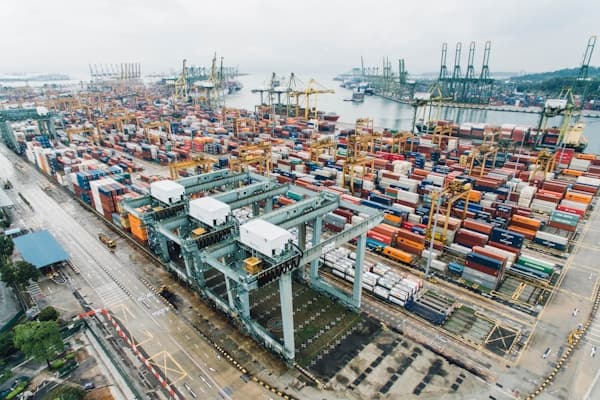
Logistics and supply chain services businesses occupy a critical position in the economy, moving goods from manufacturers to end consumers. Whether you operate a freight brokerage, a 3PL warehouse operation, a last-mile delivery service, or a freight forwarding business, the essential nature of these services creates sustained buyer interest. E-commerce growth, supply chain transformation, and the continued evolution of distribution networks drive M&A activity across logistics subsectors.
Logistics M&A requires understanding the diverse business models within the sector—from asset-light brokerage to asset-heavy trucking—and how buyers evaluate each. The right advisor understands these distinctions and can position logistics businesses to achieve valuations that reflect their strategic value.
Current Market Dynamics
Logistics M&A activity reflects the ongoing transformation of supply chain and distribution networks. E-commerce continues to drive demand for fulfillment services, last-mile delivery, and reverse logistics capabilities. Supply chain resilience has become a strategic priority, driving investment in diversified logistics networks. Technology enablement increasingly differentiates premium logistics providers from commodity players.
Private equity has been highly active in logistics, pursuing platform-building strategies across freight brokerage, 3PL, and specialty logistics. These buyers seek companies with technology capabilities, strong customer relationships, and scalable operations. PE-backed platforms often pursue aggressive acquisition strategies, creating opportunities for business owners.
Strategic buyers include large logistics conglomerates, transportation companies, and retailers building logistics capabilities. These buyers pursue acquisitions for geographic expansion, capability enhancement, or customer acquisition. Competition between strategic and financial buyers supports valuations for well-positioned logistics businesses.
What Drives Logistics Valuations
Logistics valuations reflect business model characteristics and the factors that create sustainable competitive advantages in this dynamic sector.
Revenue Quality & Customer Relationships
Contract structures, customer tenure, and relationship depth significantly impact value. Long-term contracts with strong customers support premium valuations.
Asset Model (Light vs. Heavy)
Asset-light models (brokerage) and asset-heavy models (owned trucks, warehouses) attract different buyers and command different valuation methodologies.
Technology & Systems
Technology capabilities increasingly differentiate logistics providers. Transportation management systems, warehouse management systems, visibility tools, and data analytics create competitive advantages.
Customer Concentration & Diversification
Dependence on a small number of customers creates risk. Diversification across customers, industries, and geographies supports stronger valuations.
Margin Profile & Trends
Gross margins in logistics vary significantly by subsector and business model. Demonstrate margin stability or improvement through market cycles.
Geographic Footprint & Capabilities
Geographic coverage, service capabilities, and specializations (cold chain, hazmat, oversized) contribute to competitive positioning and value.
Who Buys Logistics Companies
Logistics attracts diverse buyer interest, from global logistics conglomerates to specialized private equity investors focused on supply chain services.
Strategic buyers include global logistics providers, transportation companies, retailers building logistics capabilities, and technology companies entering logistics. These buyers pursue acquisitions for network expansion, capability enhancement, or customer acquisition.
Private equity firms are highly active in logistics, often pursuing platform-building strategies. They seek companies with technology capabilities, strong management teams, and scalable operations. PE transactions typically include equity rollover opportunities for founders.
Family offices and independent sponsors participate in logistics M&A, often attracted by stable cash flows and the essential nature of logistics services. These buyers may offer flexible deal structures and longer-term perspectives.
Transaction Considerations
Logistics transactions require attention to the operational and relationship factors that drive these businesses.
- Customer due diligence will examine contract terms, relationship tenure, volume trends, and margin by customer. Organize customer data and prepare for potential customer discussions.
- Technology and systems review assesses platform capabilities, integration approaches, and development roadmaps. Document technology assets and capabilities thoroughly.
- For asset-heavy businesses, equipment and real estate due diligence examines condition, capacity, and capital requirements. Prepare equipment lists, maintenance records, and facility documentation.
- Carrier and vendor relationships in asset-light models are important. Document carrier networks, capacity access arrangements, and key vendor relationships.
- Working capital dynamics—particularly receivables and the timing of customer payments versus vendor payments—significantly affect deal structure.
Why Work With Us
We understand logistics businesses across the spectrum—from asset-light brokerage to asset-heavy trucking and warehousing. Our experience spans freight brokerage, 3PL operations, last-mile delivery, freight forwarding, and specialty logistics.
We help logistics owners position their businesses effectively, articulate technology and capability advantages, and navigate the due diligence processes that characterize logistics transactions.



Ready to discuss your logistics business?
Schedule a confidential conversation with one of our sector-focused advisors.
Start a Conversation